

Why Full-Spectrum Cannabis May Be a Game-Changer for PTSD Sleep
For many survivors of domestic violence, the sunset doesn't bring peace. Instead, it signals the start of the "night watch." When you’ve lived through trauma, your brain becomes a master at hypervigilance. It’s trying to protect you, staying "on" just in case something goes wrong. But when that survival mechanism follows you into your sleep, it manifests as soul-crushing insomnia or, even worse, vivid, terrifying nightmares that force you to relive your darkest moments.
At Blooming Lilies, we know that sleep isn't just a luxury; it is the foundation of your healing. Without it, your nervous system remains frayed, your patience wears thin, and the mountain of recovery feels impossible to climb. You might have already tried the "standard" route, the pills, the prescriptions, the heavy sedatives, only to find that the side effects are almost as bad as the nightmares themselves.
Today, we’re going to talk about why the pharmaceutical approach often fails survivors and why full-spectrum cannabis is emerging as a gentle, effective alternative for reclaiming your nights.
The Problem with "Muting" the Pain: The Pharmaceutical Trap
If you’ve spoken to a doctor about PTSD-related sleep issues, you’ve likely been offered a variety of prescriptions. While these can be life-saving for some, they often come with a heavy price tag for your daily quality of life.
Commonly prescribed medications like Prazosin (often used for nightmares), SSRIs, or Benzodiazepines can create a "blunting" effect. You might stop having the nightmares, but you also stop feeling... well, anything. Survivors often describe feeling like "zombies" or living in a fog.
The biggest issue for many is the morning-after grogginess. When you are recovering from trauma, you need your wits about you. You need to be able to navigate your day, care for your children, or manage your workplace. If a sleeping pill leaves you stumbling and confused until noon, it isn't truly helping you reclaim your life; it’s just changing the type of cage you’re in.
Why Your Brain Won't Let You Sleep: The REM Cycle and PTSD
To understand why cannabis works, we have to look at how PTSD hijacks your sleep. Most nightmares occur during the REM (Rapid Eye Movement) stage of sleep. In a healthy brain, REM is for processing emotions. In a brain with PTSD, REM becomes a theater for trauma.
Your nervous system is stuck in a loop, replaying the "threat" over and over. Many pharmaceutical aids work by knocking you out completely, but they don't necessarily address the chemical imbalance in your brain's endocannabinoid system, the system responsible for keeping you calm and balanced.
How Full-Spectrum Cannabis Changes the Game
Research into medical cannabis and PTSD has shown some incredible results. One study found that over 70% of participants experienced a significant reduction in the frequency and severity of their nightmares.
But how does it actually work?
- REM Suppression: THC, one of the primary components of cannabis, has been shown to reduce the time spent in REM sleep. For most people, less REM might be a downside, but for a survivor plagued by night terrors, this is a game-changer. By shortening the "nightmare stage," you allow your brain to spend more time in "deep sleep," which is where your body actually repairs itself.
- The Endocannabinoid Connection: Your body has a natural system (the ECS) that regulates fear and anxiety. Trauma can essentially "burn out" these receptors. Cannabis compounds like CBD and THC help supplement this system, signaling to your brain that it is, in fact, safe to power down.
- No "Hangover" Effect: Unlike heavy sedatives, the right dose of full-spectrum cannabis typically leaves the system much cleaner. You wake up feeling rested rather than drugged, allowing you to start your morning with a clear head and a sense of agency.
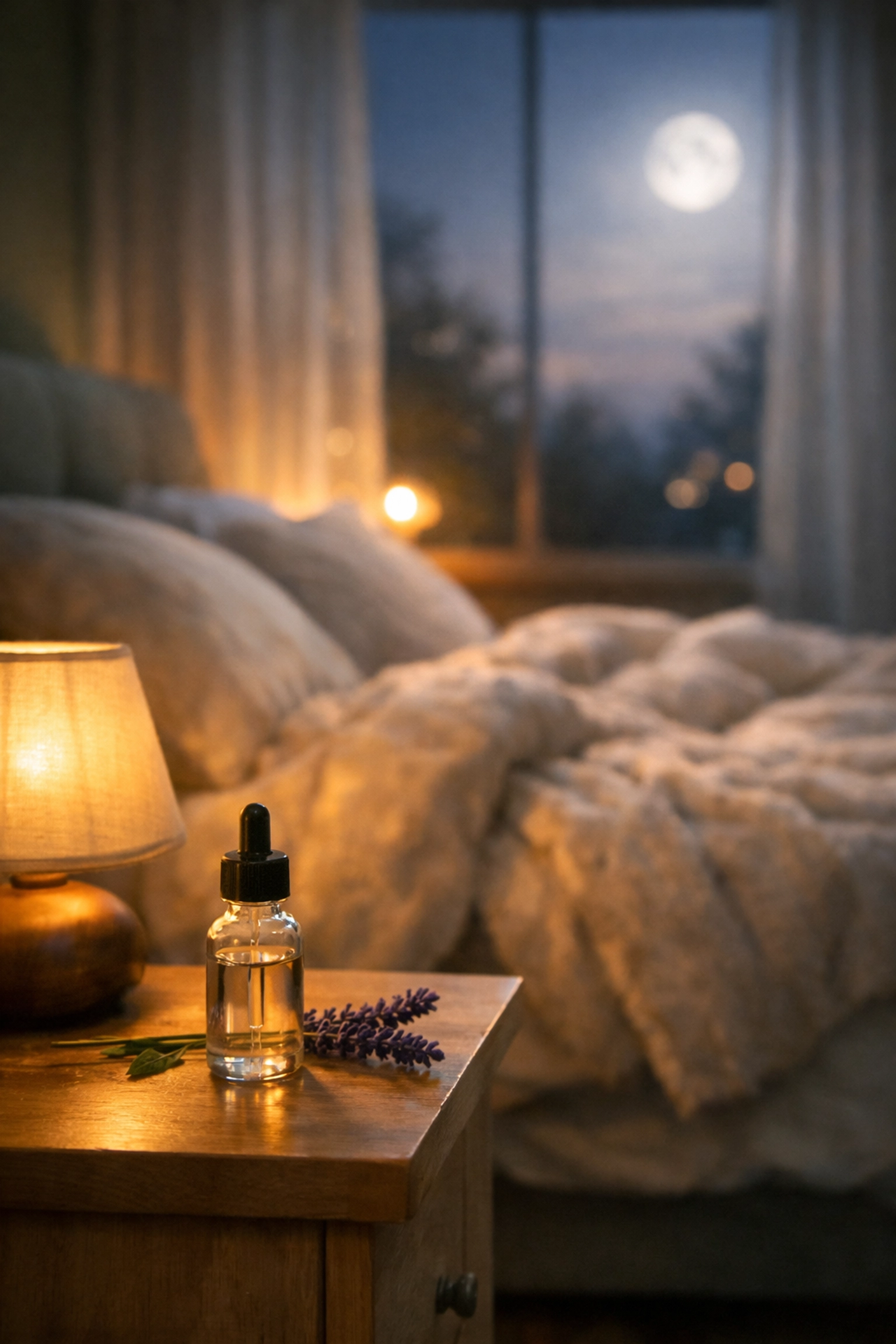
Why "Full-Spectrum" Matters More Than You Think
You might have seen CBD oil in the grocery store and wondered if that’s enough. While CBD is great for general anxiety, survivors often need the "Entourage Effect" found in full-spectrum products.
"Full-spectrum" means the product contains all the natural compounds of the plant, including minor cannabinoids and terpenes like Linalool (found in lavender) or Myrcene. These elements work together like an orchestra. While CBD handles the background noise of anxiety, a small amount of THC handles the "off switch" for the nightmares.
This holistic approach mimics how nature intended the plant to work, providing a more balanced and supportive experience than a lab-created chemical.
Creating a Sanctuary: Pairing Cannabis with Sleep Hygiene
Reclaiming your sleep isn't just about what you take; it’s about the environment you create for your healing. When you’ve been through domestic violence, your bedroom might not feel like a safe space. It might feel like a place where you are vulnerable.
To truly heal, we recommend pairing your wellness tools with a "Safety Ritual" before bed. This is where you tell your brain, “We are safe now. The doors are locked. The day is over.”
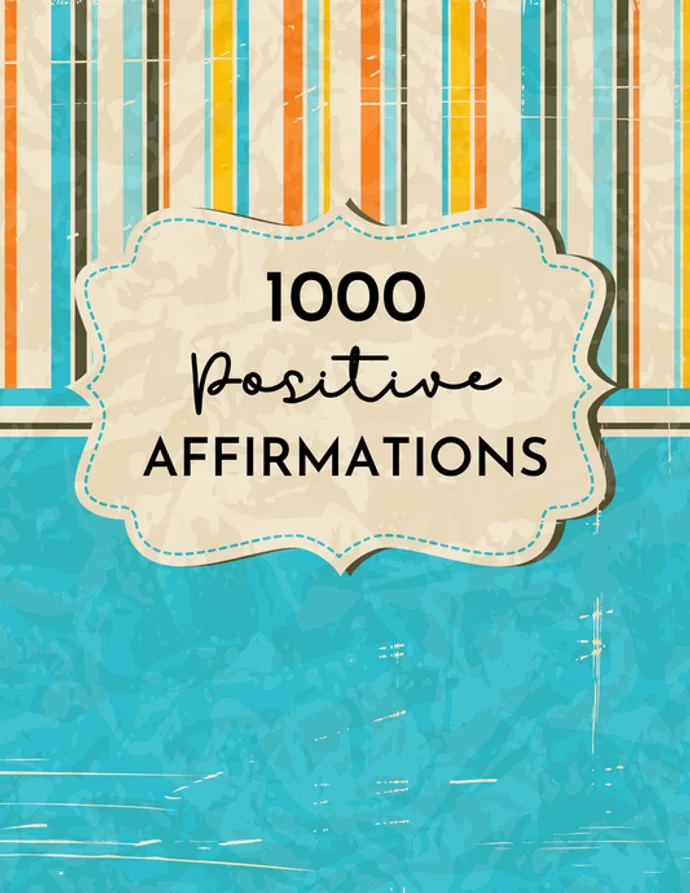
One of the most powerful ways to do this is by shifting the narrative your brain plays right before you drift off. Instead of scrolling through the news or replaying an argument, try focusing on intentional, healing thoughts. Our 1,000 Positive Affirmations collection was designed specifically for this purpose.
Reading through affirmations of self-worth and safety while your cannabis therapy begins to take effect creates a "double-layer" of protection for your subconscious. You are treating the physical symptoms of trauma with the plant, and the emotional symptoms with positive psychology.
A Step-by-Step Routine for a Restful Night
If you’re ready to try a more natural route to sleep, here is a supportive routine to help you transition:
- Step 1: Set the Scene. Dim the lights an hour before bed. Your brain needs the signal that the sun has set.
- Step 2: Micro-dose. If you are new to cannabis, start low and slow. A full-spectrum tincture or a low-dose gummy taken 30-60 minutes before bed is often the most effective method for long-lasting sleep support.
- Step 3: Disconnect. Put the phone away. The blue light and the potential for "digital gaslighting" or stressful messages can spike your cortisol.
- Step 4: Affirm Your Safety. Open your Positive Affirmations or your Stress Processing Journal. Spend 5 minutes reading truths about your strength and your right to peace.
- Step 5: Breathe. Use a simple box-breathing technique to tell your nervous system that the "fight or flight" response can stand down.
A Note on Safety and Consultation
We always want you to be safe. Because everyone’s body chemistry is different, especially after trauma, it is important to consult with a trauma-informed healthcare provider before making significant changes to your medication.
If you are currently taking pharmaceuticals, never stop them cold turkey. Work with a professional to transition safely. You can also check out our FAQs or our Preventative Health resources for more information on holistic wellness.
You Deserve to Rest
The nightmares are not your fault. They are a lingering echo of a situation you didn't deserve to be in. But they do not have to be your forever. Whether you choose full-spectrum cannabis, guided journaling, or a combination of both, the goal is the same: reclaiming your peace.
You have spent so long fighting for your life. It’s time to let yourself rest.
If you are currently in a crisis or need immediate support, please visit our Crisis Lines page for a list of resources that can help you right now.
Remember, you are resilient, you are brave, and you are not alone in the dark. We are here to help you bloom, even through the night.

Ready to start your journey toward holistic healing? Browse our full collection of trauma-informed journals and resources and take the first step toward a more peaceful tomorrow.