

Full-Spectrum Healing: How Cannabis Supports the Endocannabinoid System After Trauma
If you’ve spent months or years living in a state of high alert, your body has essentially forgotten how to feel safe. For survivors of domestic violence and chronic trauma, the "fight-or-flight" response isn't just a temporary reaction to danger; it becomes a permanent lifestyle. You might find yourself jumping at loud noises, struggling to sleep, or feeling a constant, buzzing anxiety in your chest that never truly goes away.
When we seek help for these symptoms, the standard path usually leads to a prescription pad. While pharmaceuticals like SSRIs or benzodiazepines can be lifesaving for some, many survivors find that these medications feel like a "mute button." They might dull the pain, but they often dull everything else, too, your joy, your creativity, and your connection to yourself.
There is another way to look at healing, one that focuses on supporting your body’s internal "balancing act" rather than just masking the symptoms. This is where the Endocannabinoid System (ECS) and full-spectrum cannabis come into play. By understanding the science of how trauma dysregulates your biology, you can begin to reclaim your nervous system with tools that work with your body, not just on it.
Understanding the Internal "Master Regulator": The Endocannabinoid System
To understand how cannabis helps with trauma, we first have to talk about the Endocannabinoid System (ECS). Every human has one, and its primary job is to maintain homeostasis, a fancy word for balance. It regulates sleep, appetite, pain, and, most importantly for survivors, your emotional response to stress.
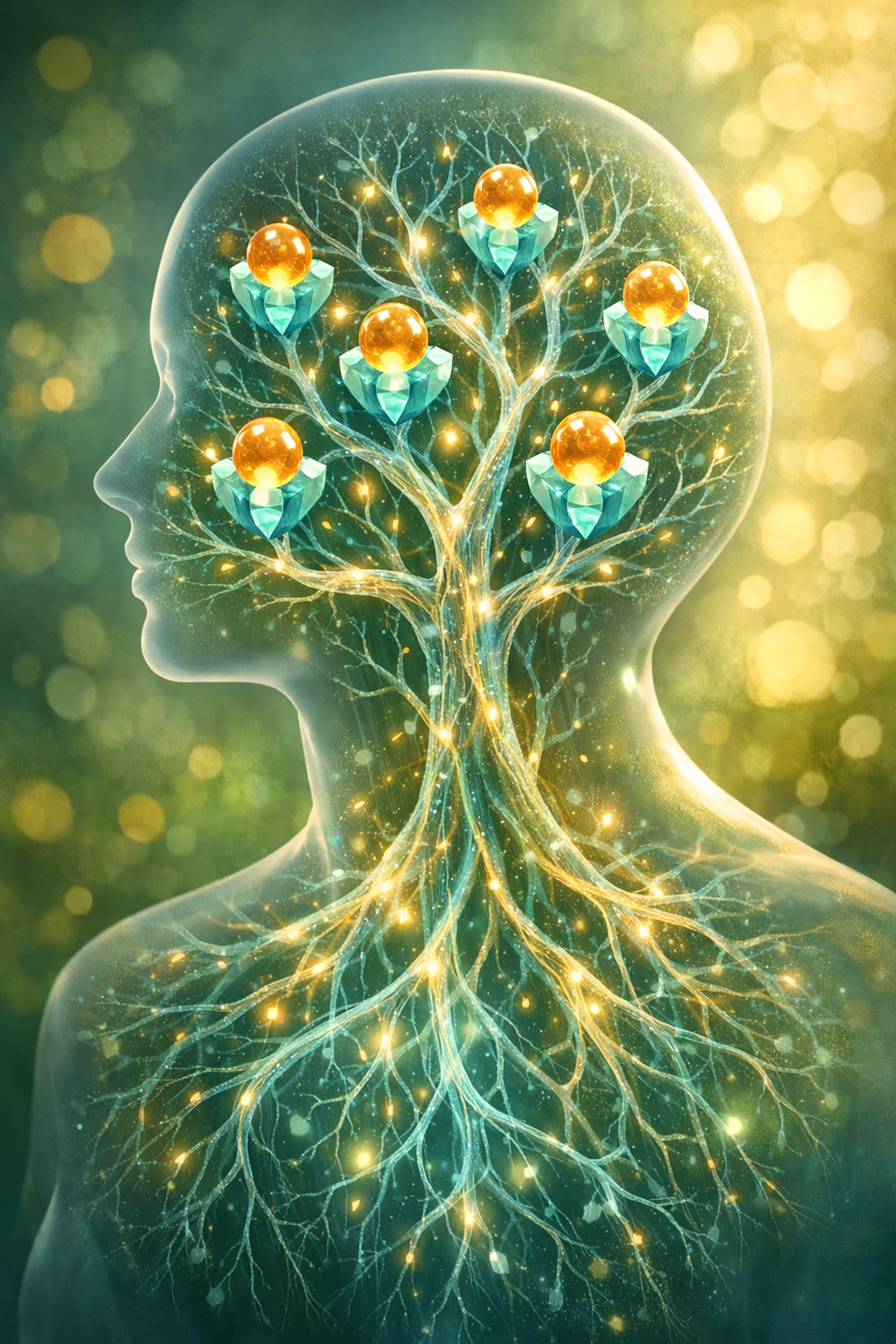
Think of the ECS as a series of "locks and keys." Your body naturally produces "keys" called endocannabinoids (like anandamide, often called the "bliss molecule"). These keys fit into "locks" called receptors (CB1 and CB2) located throughout your brain and nervous system. When the system is working correctly, it helps you "forget" unnecessary fearful memories and brings your heart rate back down after a scare.
How Trauma Flips the Switch: The Science of Dysregulation
When you experience the chronic, repetitive stress of an abusive relationship, your ECS is forced to work overtime. Eventually, the system can become exhausted or "dysregulated."
Scientific research has shown that individuals living with post-traumatic stress often have a significant endocannabinoid deficiency. Specifically, studies in stressed subjects have shown up to a 40% reduction in 2-AG (a key endocannabinoid) and a 50% reduction in CB1 receptors in the hippocampus, the part of the brain responsible for memory and emotion.
Because you have fewer "locks" and not enough "keys," your brain struggles to turn off the alarm bells. This is why you might feel:
- Hyperarousal: Always waiting for the other shoe to drop.
- Intrusive Memories: Being unable to shake the "mental movies" of past events.
- Insomnia: Your brain refuses to power down because it doesn’t feel safe enough to sleep.
Full-Spectrum Cannabis: Supporting the System, Not Just Masking the Pain
This is where the distinction between "pharmaceutical masking" and "biological support" becomes clear. Many traditional trauma medications work by altering your neurotransmitters (like serotonin), but they don’t necessarily address the underlying ECS deficiency.
Full-spectrum cannabis, which includes a combination of THC, CBD, and other minor cannabinoids and terpenes, works by mimicking the "keys" your body is currently lacking.
Why "Full-Spectrum" Matters
You may have heard of CBD isolate, but for trauma recovery, full-spectrum is often considered the gold standard. This is due to the "Entourage Effect," where all the compounds in the plant work together to be more effective than any single part would be on its own.
- THC and the CB1 Receptor: In small, controlled doses, THC can "plug into" those missing CB1 receptors, helping to signal the brain that it’s okay to relax. It can be particularly effective for nervous system healing by reducing the intensity of nightmares and intrusive thoughts.
- CBD and Anandamide: CBD doesn’t plug directly into the receptors the same way THC does. Instead, it prevents your body from breaking down its own natural "bliss molecules." It helps your natural supply of anandamide stay in your system longer, providing a gentle, stabilizing foundation of calm.
- Terpenes for Regulation: Terpenes like Linalool (found in lavender) or Myrcene can help guide the experience, providing additional anti-anxiety and sedative effects that help pull you out of a "high-beta" brainwave state (panic) and into a more regulated state.

The Contrast: Pharmaceuticals vs. Holistic Regulation
It is important to acknowledge that every survivor’s journey is different. However, many find that pharmaceuticals create a "wall" between them and their emotions. While this can be helpful in a crisis, it can hinder long-term healing because you can’t process what you can’t feel.
Full-spectrum cannabis, when used intentionally, doesn't necessarily numb the emotion; instead, it lowers the volume of the physiological panic. When your heart isn't racing and your muscles aren't knotted, you gain the "breathing room" necessary to actually do the emotional work of recovery.
By targeting the ECS directly, you are helping your body return to a state where it can perform its own maintenance. This is a move toward holistic mental wellness rather than just symptom management.
Integrating Plant Medicine with Intentional Healing
Using cannabis for trauma isn't just about "getting high." It's about using a tool to facilitate a shift in your state of being. To make the most of this biological support, it helps to pair it with somatic (body-based) practices.
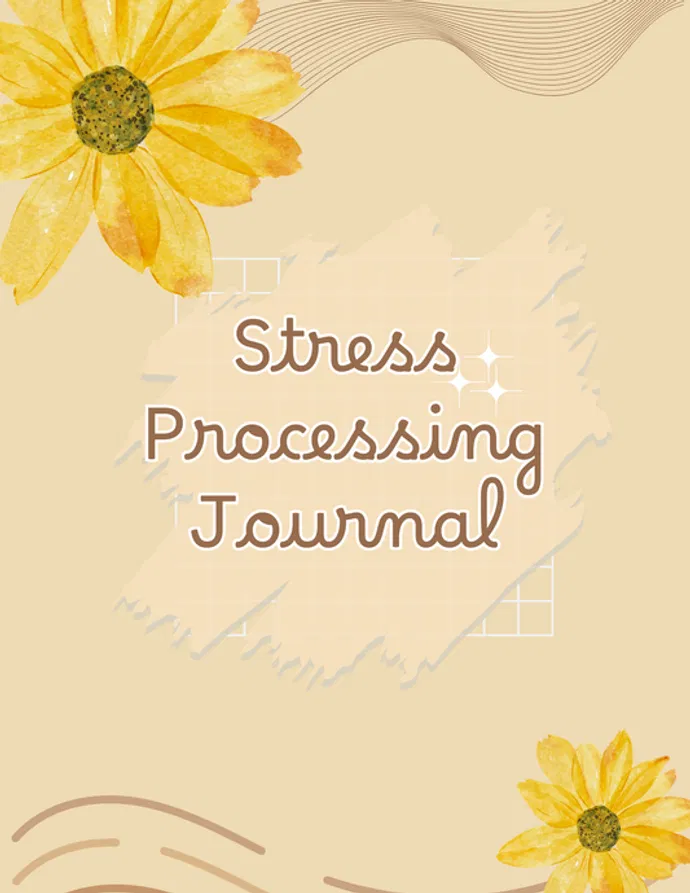
When your ECS is supported and you feel that "window of tolerance" opening up, that is the perfect time to engage in reflective work. This is why we created the Stress Processing Journal.
Journaling while in a regulated state allows you to rewrite the narrative of your experiences without your nervous system "short-circuiting" the process. By combining the biological support of full-spectrum products with the emotional support of a guided journal, you are attacking trauma from both ends: the physical and the mental.
A Note on Safety and Support
Healing from domestic violence and trauma is a brave, complex process. If you are considering transitioning from traditional pharmaceuticals to a more holistic route like cannabis, please remember:
- Consult a Professional: Always speak with a trauma-informed healthcare provider before changing your medication regimen.
- Start Low, Go Slow: The goal is regulation, not intoxication. Finding your "sweet spot" is key.
- Focus on Quality: Ensure you are using clean, lab-tested products to avoid pesticides or heavy metals that can further stress your system.
You deserve to feel settled in your own skin. You deserve a nervous system that knows the difference between a past memory and a present threat. Whether you choose traditional paths, holistic plant medicine, or a combination of both, know that your resilience is your greatest strength.
If you’re ready to start documenting your journey and processing the stress that’s been held in your body, explore our collection of wellness workbooks and journals. You don't have to carry the weight of "survival mode" forever. There is a path back to yourself, and we are here to support you every step of the way.
Take the first step toward a more regulated life today. You are worth the effort it takes to heal.