

How to Heal From Narcissistic Abuse: 5 Essential Steps
If you are reading this, please take a deep breath and know one thing for certain: you are not "crazy," you are not "too sensitive," and you are not to blame for the pain you are feeling.
Healing from narcissistic abuse is unlike recovering from a typical breakup. It is a profound unraveling of your reality, a dismantling of your self-worth, and a physical toll on your nervous system. Whether you have recently escaped a toxic environment or are still trying to make sense of a past relationship, the healing journey is a courageous path toward reclaiming the person you were always meant to be.
At Blooming Lilies, we understand that this process isn't a straight line. It’s a series of small, intentional steps toward freedom. Here is your guide on how to heal from narcissistic abuse using five essential, trauma-informed steps.
1. Recognize and Demystify the Abuse
The first and often most difficult step in narcissistic abuse recovery is simply naming what happened. Narcissists rely on a tactic called gaslighting, a form of psychological manipulation that makes you question your own memory, perception, and sanity. To heal, you must first break through the fog.
Understanding the Narcissistic Cycle
Narcissistic relationships typically follow a predictable, damaging pattern:
- Idealization (Love-Bombing): At the start, they put you on a pedestal, showering you with excessive affection and attention.
- Devaluation: Once they feel they "have" you, the insults, passive-aggressive comments, and coldness begin.
- Discard: When you are no longer useful to them or begin to demand respect, they may abruptly leave or force you to leave.
To demystify your experience, try creating a relationship timeline. Document the early red flags you may have dismissed, the moments where the "romance" shifted into control, and the times your partner minimized your concerns.
Seeing these events written down helps externalize the abuse, making it harder for the narcissist’s "voice" in your head to tell you it was your fault. If you aren't sure if what you experienced qualifies as abuse, you can take a look at our Domestic Violence Assessment to help gain clarity.

2. Create Distance: The Power of No-Contact
You cannot heal in the same environment where you were made sick. To begin the healing journey, you need space for your nervous system to exit "fight-or-flight" mode and enter a state of safety.
No-Contact is the gold standard for recovery. This means no texts, no checking their social media, no "checking in" through mutual friends, and blocking them across all platforms. It is not about being "mean"; it is about protecting your peace.
When No-Contact Isn't Possible
We recognize that in cases involving co-parenting or legal proceedings, total silence may not be an option. In these situations, utilize the "Grey Rock" method:
- Become as uninteresting as a grey rock.
- Keep interactions brief, factual, and devoid of emotion.
- Do not defend yourself against their accusations, this only gives them the "narcissistic supply" they crave.
Important Safety Note: If you are currently in a situation where leaving or cutting contact feels dangerous, please prioritize your physical safety above all else. Reach out to professional support or visit our Crisis Lines page for immediate resources.
3. Process the Trauma and Regulate Your Nervous System
Narcissistic abuse often leaves survivors with symptoms of Complex Post-Traumatic Stress Disorder (C-PTSD). Your brain has been conditioned to anticipate danger, leading to anxiety, flashbacks, and "brain fog." This is why traditional talk therapy is sometimes not enough; you must also address the trauma stored in your body.
Processing your emotions, the anger, the grief, and even the "trauma bond" (the chemical addiction to the highs and lows of the relationship), requires structured support.
At Blooming Lilies, we highly recommend utilizing the PTSD & Trauma Processing Workbook. This resource is specifically designed to help you navigate the heavy lifting of recovery in a safe, private way. You can find this and other specialized tools in our Workbook Collection.
Why Structured Processing Works:
- Validates Your Reality: Writing down your triggers and responses helps you realize your reactions are normal responses to abnormal circumstances.
- Identifies Triggers: It helps you map out what causes your "amygdala hijack" so you can develop soothing strategies.
- Grief Work: You aren't just grieving a person; you are grieving the "dream" of who they pretended to be. A workbook provides a container for that grief.

4. Rebuild Trust in Your Own Voice
One of the most insidious effects of narcissistic abuse is the loss of self-trust. When you have been told for years that your feelings are wrong or your memory is flawed, making even simple decisions can feel paralyzing.
Rebuilding self-trust is like training a muscle. You don't start with a heavy weight; you start with small, daily affirmations of your own agency.
Small Steps to Self-Trust:
- Make Small Decisions Solo: Choose what to have for dinner or what shirt to wear without asking for anyone's opinion. Notice how it feels to make a choice just for you.
- Honor Your Body’s Signals: If you feel a "tightness" in your chest when talking to someone, acknowledge it. Tell yourself, "My body is trying to tell me something, and I believe it."
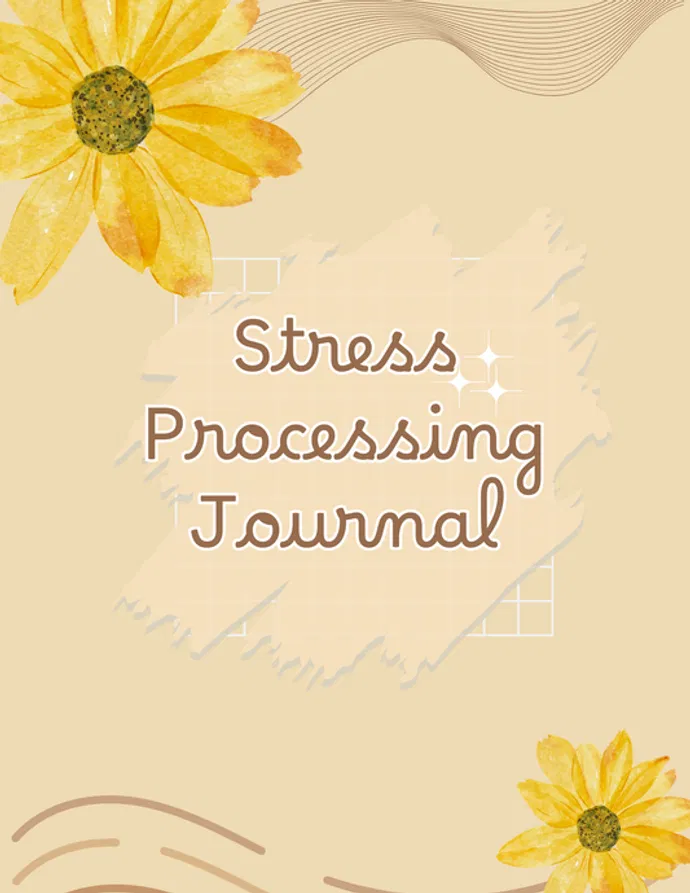
- Journaling: Using a dedicated Survivor Journal can help you reconnect with your inner voice. By documenting your daily wins and feelings, you create a record of your own truth that no one can take away.
5. Reclaim Your Life and Identity
The final stage of how to heal from narcissistic abuse is shifting the focus from them to you. For a long time, your life may have revolved around managing the narcissist’s moods or walking on eggshells. Now, the space they occupied is yours to fill.
Reconnecting With Your "Self"
Narcissists often systematically strip away your hobbies, your friendships, and your dreams. Reclaiming your identity involves a process of "self-discovery":
- Return to Old Passions: What did you love to do before the relationship? Whether it was painting, hiking, or reading, pick it back up.
- Set New Boundaries: Healing allows you to decide who gets access to your energy. You have the right to say "no" without providing an explanation.
- Future-Oriented Planning: Start looking forward. This might mean returning to school, pursuing a new career path, or simply planning a solo trip. Our Journals and Worksheets can help you visualize this new chapter.
Recovery is not about "getting over it"; it is about integration. It is about taking the pieces of your experience and weaving them into a new, stronger version of yourself, one that is resilient, boundaried, and deeply self-aware.

You Don't Have to Walk This Path Alone
The journey of narcissistic abuse recovery is incredibly brave. There will be days of great clarity and days where the weight of the past feels heavy. Both are okay. The most important thing is that you keep moving toward the light.
If you are looking for more structured guidance to help you navigate the complexities of trauma, we invite you to explore our Trauma-Informed Resource Library. From journals to comprehensive workbooks, we are here to provide the tools you need to bloom after the storm.
Your healing is possible. Your future is bright. And you are worthy of a life filled with peace and genuine love.
If you need support or have questions about our resources, please feel free to Contact Us. We are here for you.