

Coercive Control: What It Is and How to Spot the Subtle Signs
If you’ve ever felt like you’re walking on eggshells in your own home, or like the person who is supposed to love you the most is actually the one making your world feel smaller every day, you aren’t alone. Often, when we think about domestic violence, our minds go straight to physical marks, bruises, broken bones, or hospital visits. But there is a much more insidious form of abuse that leaves no physical scars, yet it can be just as damaging.
It’s called coercive control.
At Blooming Lilies, we believe that understanding the patterns of behavior used to dominate and isolate is the first step toward reclaiming your freedom. Coercive control isn't a "bad fight" or a "rough patch." It is a strategic, ongoing pattern of behavior designed to strip away your autonomy. In this post, we’re going to dive deep into what this looks like in real life and how you can spot the subtle signs before the "invisible cage" feels too heavy to carry.
More Than a Bad Mood: Defining Coercive Control
Coercive control is a term used to describe a range of acts, including isolation, degradation, and intimidation, that an abuser uses to punish or frighten their victim. It’s not about a loss of temper; it’s about a pattern of dominance. Think of it as a regime. Instead of a partner, the person acts like a warden, creating a world where they make the rules and you simply try to survive them.
Unlike physical abuse, which might happen in isolated incidents, coercive control is constant. It is cumulative. It’s the constant checking of your phone, the subtle jabs at your self-worth, and the slow distancing from your best friend until you realize you haven’t spoken to them in six months.

The Invisible Cage: How It Starts
Coercive control usually starts with "love bombing." In the beginning, they might seem incredibly attentive, wanting to spend every waking moment with you. They might tell you that "no one else understands our love" or that "your family is just trying to get between us."
What feels like intense romance is often the groundwork for isolation. By the time the control starts to feel uncomfortable, you may already feel like you have no one else to turn to. If you are questioning whether your relationship is healthy, taking a DV Assessment can help you gain some clarity on the patterns you are seeing.
The Strategy of Loneliness: Isolation and Monitoring
One of the most effective ways to control someone is to make them feel alone. An abuser will often use jealousy as a tool to justify isolating you. They might pick fights before you go out with friends or make you feel so guilty about leaving the house that it’s simply easier to stay home.
The "Digital Leash"
In our modern world, coercive control often happens through a screen. This "digital leash" might include:
- Demanding your passwords to social media, email, or your phone.
- Using GPS tracking or "Find My Friends" apps to monitor your every move.
- Calling or texting you repeatedly when you are away and getting angry if you don't respond immediately.
- Monitoring your browsing history or who you follow online.

Financial Abuse: Controlling the Means to Leave
It is incredibly difficult to leave a situation when you don’t have access to your own money. Financial control is a hallmark of coercive control. An abuser might:
- Make you quit your job or sabotage your career opportunities.
- Put you on a "strict allowance" while they spend freely.
- Put all assets (like the house or car) in their name only.
- Check every receipt and demand an explanation for every penny spent.
If you are currently navigating this, please know there are tools to help you organize your exit and your future. Our Financial Planning collection and Budget Tracking resources are designed specifically for survivors who need to reclaim their financial independence in a safe, trauma-informed way.

Gaslighting and DARVO: Distorting Your Reality
Perhaps the most damaging part of coercive control is what it does to your mind. Abusers use gaslighting to make you doubt your own memory and sanity. If you bring up a concern, they might tell you that "you're crazy," "that never happened," or "you're just too sensitive."
Over time, you stop trusting your gut. You might even start apologizing for things they did. This is often accompanied by a tactic called DARVO:
- Deny the behavior.
- Attack the person raising the concern.
- Reverse Victim and Offender (making themselves the "true" victim of your "accusations").
When your reality is constantly being distorted, it’s hard to find the ground beneath your feet. Healing your nervous system is a vital part of recovery, as the chronic stress of being gaslit keeps your body in a permanent state of "fight or flight."
When Children are Involved
Coercive control doesn't just affect the partner; it permeates the entire family. An abuser may use children as pawns to maintain control. They might:
- Undermine your parenting in front of the kids.
- Threaten to take the children away if you leave.
- Tell the children lies about you to damage the bond you share.
- Use visitation or custody exchanges as a way to continue monitoring and harassing you.
Navigating parenting through trauma is incredibly heavy, and we want you to know that your resilience as a mother is a powerful thing. Even in the quiet moments, you are finding the strength to protect your little ones.

Recognizing the Red Flags
If you are reading this and ticking boxes in your head, please take a deep breath. You are not "stupid" for not seeing this sooner. These tactics are designed to be subtle. They are designed to be "death by a thousand cuts."
Ask yourself these questions:
- Do I feel like I have to "ask permission" for basic things like going to the store or seeing my mom?
- Am I constantly explaining my whereabouts or providing "proof" of where I’ve been?
- Do I hide my purchases or phone conversations because I’m afraid of a reaction?
- Has my world become significantly smaller since I met this person?
- Do I feel like I’m losing the "me" I used to be?
Taking the First Step Toward Safety
Recognizing coercive control is a huge, brave step. If you feel like your safety is at risk, or if you just need someone to talk to, please visit our Crisis Lines page for immediate support resources. Your safety is the priority, and there are people ready to help you plan a safe way forward.
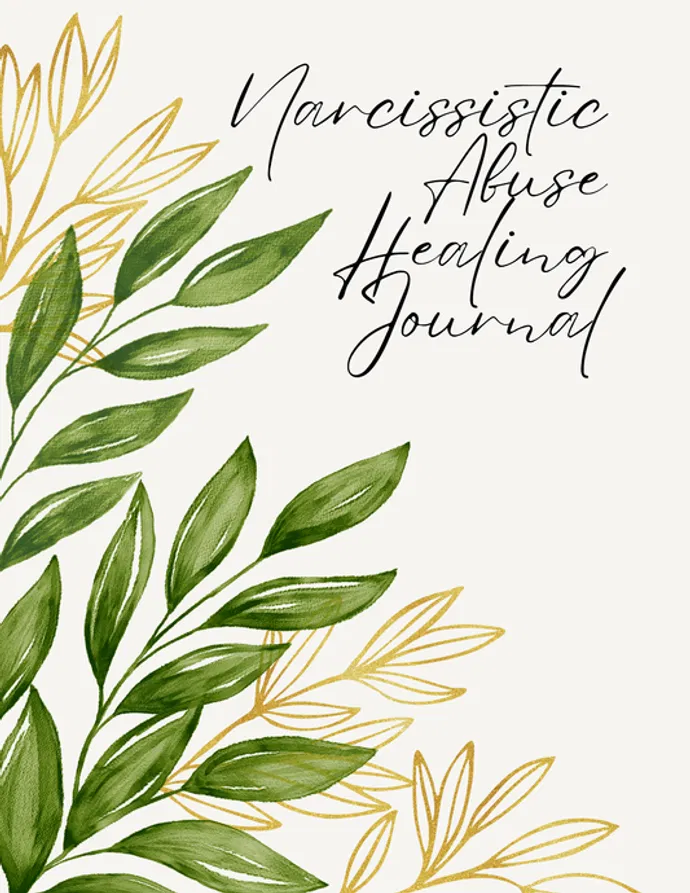
Journaling can also be a powerful way to document the reality of what is happening. When you are being gaslit, having a written record of events can help you stay grounded in the truth. Our Narcissistic Abuse Healing Journal is a gentle, supportive space to process these experiences.
You Are Not Alone
At Blooming Lilies, we see your strength. We know that the journey from being controlled to being free is not a straight line. It is a process of unlearning the lies you’ve been told and remembering who you were before the cage was built.
Whether you need housing resources, help with the family court system, or just a community that understands, we are here for you.
You deserve a life where you are the author of your own story. You deserve a home that feels like a sanctuary, not a prison. Most of all, you deserve to be safe, respected, and free.
If you’re ready to take a small step today, browse our supportive journals and workbooks designed to help you heal at your own pace. We’re rooting for you, every step of the way.