

10 Clear Toxic Relationship Signs You Shouldn't Ignore
Recognizing that a relationship has turned toxic isn't always as easy as it sounds. Often, toxicity doesn’t arrive with a loud bang; it creeps in quietly, disguised as "intensity," "passion," or "just a rough patch." You might find yourself making excuses for your partner’s behavior or telling yourself that if you just tried a little harder, things would go back to the way they were in the beginning.
At Blooming Lilies, we want you to know that you deserve a love that feels like a safe harbor, not a constant storm. If you’ve been feeling "off," anxious, or like you’re losing yourself, it’s time to look closely at the dynamics of your partnership. Identifying toxic relationship signs is the first step toward reclaiming your peace and your power.
1. Constant Criticism and Contempt
In a healthy relationship, partners lift each other up. In a toxic one, communication is weaponized. If you feel like you can’t do anything right, from the way you fold the laundry to the way you speak, you are likely experiencing emotional abuse.
Toxic partners often use contempt, a mix of anger and disgust, to make you feel inferior. This might look like:
- Sarcasm and mocking your ideas or feelings.
- Eye-rolling or dismissive body language.
- Snide remarks about your appearance or intelligence.
When "constructive feedback" feels like a constant assault on your character, it’s a major red flag.
2. You Feel Consistently Unsupported
Your wins should be their wins. However, a toxic partner often feels threatened by your success. Instead of celebrating your promotion or a new hobby, they might find a way to make it about them, or worse, they might belittle your achievement to bring you back down to "their level."
If every accomplishment becomes a source of tension or a competition, the foundation of mutual respect is missing. You deserve someone who cheers for you, not someone who views your growth as a threat.
3. Excessive Control and Jealousy
While a small amount of jealousy is human, extreme control is a hallmark of a toxic partner. This often starts small, asking for your passwords "to build trust" or expressing "concern" about who you’re hanging out with.
Over time, this evolves into:
- Monitoring your location or checking your phone.
- Becoming angry if you don't respond to texts immediately.
- Dictating what you wear or how you spend your money.
Control is never a sign of love; it is a sign of insecurity and a desire for dominance.
4. You Are Always "Walking on Eggshells"
Do you find yourself rehearsing how to say something simple because you’re afraid of how your partner will react? This state of hyper-vigilance is a clear indicator of toxicity.
When you are walking on eggshells, you are effectively living in a state of chronic stress. You suppress your needs, your opinions, and your emotions just to keep the peace. This emotional toll can lead to physical symptoms like headaches, digestive issues, and chronic fatigue. Your home should be the one place where you can breathe freely, not a place where you have to hold your breath.

5. The Never-Ending Blame Game
In a toxic dynamic, the toxic partner rarely takes responsibility for their actions. If they yell at you, it’s because you provoked them. If they forget an important date, it’s because you didn't remind them.
This is often referred to as gaslighting or shifting the blame to keep you in a state of confusion and guilt. By making you the "problem," they avoid having to change their own behavior. If you find yourself constantly apologizing for things you didn't even do, take a step back and look at the pattern.
6. Emotional and Physical Exhaustion
A relationship should be a source of energy, not a drain. If you feel consistently depressed, anxious, or just plain exhausted after spending time with your partner, listen to your body.
Toxic relationships are high-conflict and high-stress. The constant cycle of "highs" (love bombing) and "lows" (devaluation) keeps your nervous system in a state of fight-or-flight. Over time, this erodes your self-esteem and leaves you feeling like a shell of your former self.
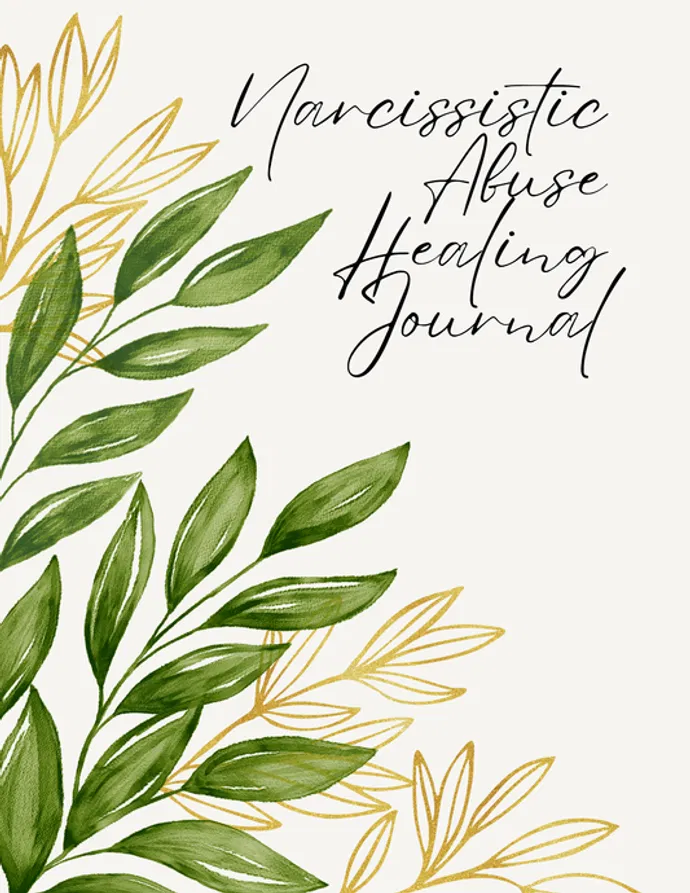
For those navigating the aftermath of this exhaustion, our Narcissistic Abuse Healing Journal can be a gentle way to start processing these heavy emotions.
7. Isolation from Your Support System
Toxic individuals often try to isolate you from the people who love you most. They might tell you that your friends "don't really care about you" or that your family is "too controlling."
By cutting you off from your support system, they make you more dependent on them. This isolation makes it much harder to leave because you feel like you have no one to turn to. Blooming Lilies is here to remind you that you are never truly alone. There are resources available, including crisis lines, that can provide a bridge back to safety.
8. Unresolved Conflicts That Escalate
Every couple fights, but healthy couples fight to resolve the issue. Toxic couples fight to hurt each other. In a toxic relationship:
- Arguments quickly turn into personal attacks.
- Past mistakes are constantly brought up to "win" the current fight.
- The "silent treatment" is used as a form of punishment.
If you find that the same issues repeat for months or years without any real change or resolution, the relationship is stuck in a destructive loop.
9. Lack of Honesty and Chronic Betrayal
Trust is the currency of a healthy relationship. Once it’s gone, the relationship becomes bankrupt. Signs of a toxic partner often include a pattern of "white lies," hidden conversations, or outright infidelity.
When dishonesty becomes a pattern, you lose your sense of reality. You begin to question your own intuition. Rebuilding trust requires a partner who is 100% transparent and willing to do the hard work. If they respond to your concerns with more lies or defensiveness, they aren't interested in rebuilding; they're interested in maintaining the status quo.
10. You Give 100% While They Give 0%
A relationship is a partnership, not a solo mission. If you are the only one making plans, the only one apologizing, the only one doing the emotional labor, and the only one trying to "fix" things, you are in a one-sided relationship.
You cannot love someone into treating you better. You cannot "fix" a person who doesn't see a problem with their behavior. Giving your all to someone who gives nothing in return will eventually leave you feeling depleted and devalued.
How to Start Your Healing Journey
If you recognized your relationship in these ten points, please take a deep breath. It takes immense courage to admit that something isn't right. You have already taken the first step by educating yourself on these toxic relationship signs.
At Blooming Lilies, we believe in your resilience. Healing is not a linear process, but it is possible. Here are a few ways to start:
- Prioritize Your Safety: If you feel you are in immediate danger, please visit our crisis lines page for immediate support.
- Document the Patterns: Use a journal to write down what is happening. This helps counter the effects of gaslighting and keeps you grounded in reality.
- Seek Professional Guidance: Talk to a therapist who specializes in trauma and domestic violence. You can also take our DV Assessment to gain more clarity on your situation.
- Reconnect with Loved Ones: Reach out to one person you trust. You don't have to tell them everything at once, but breaking the silence is powerful.
- Focus on Self-Care: Your nervous system needs time to heal. Explore our resources on holistic mental wellness to find small ways to nurture yourself daily.
You Deserve to Bloom
You were not meant to live in the shadows of someone else's control. You were meant to thrive, to grow, and to be loved with kindness and respect. Whether you are still in the relationship, planning your exit, or are already on the path to recovery, know that your worth is not defined by how you have been treated.
You have the strength within you to reclaim your life. We are here to provide the tools, the resources, and the community to help you do just that.
Are you ready to start your healing journey? Explore our full collection of trauma-informed workbooks and journals designed to help you process your experiences and rediscover the beautiful, powerful person you are.